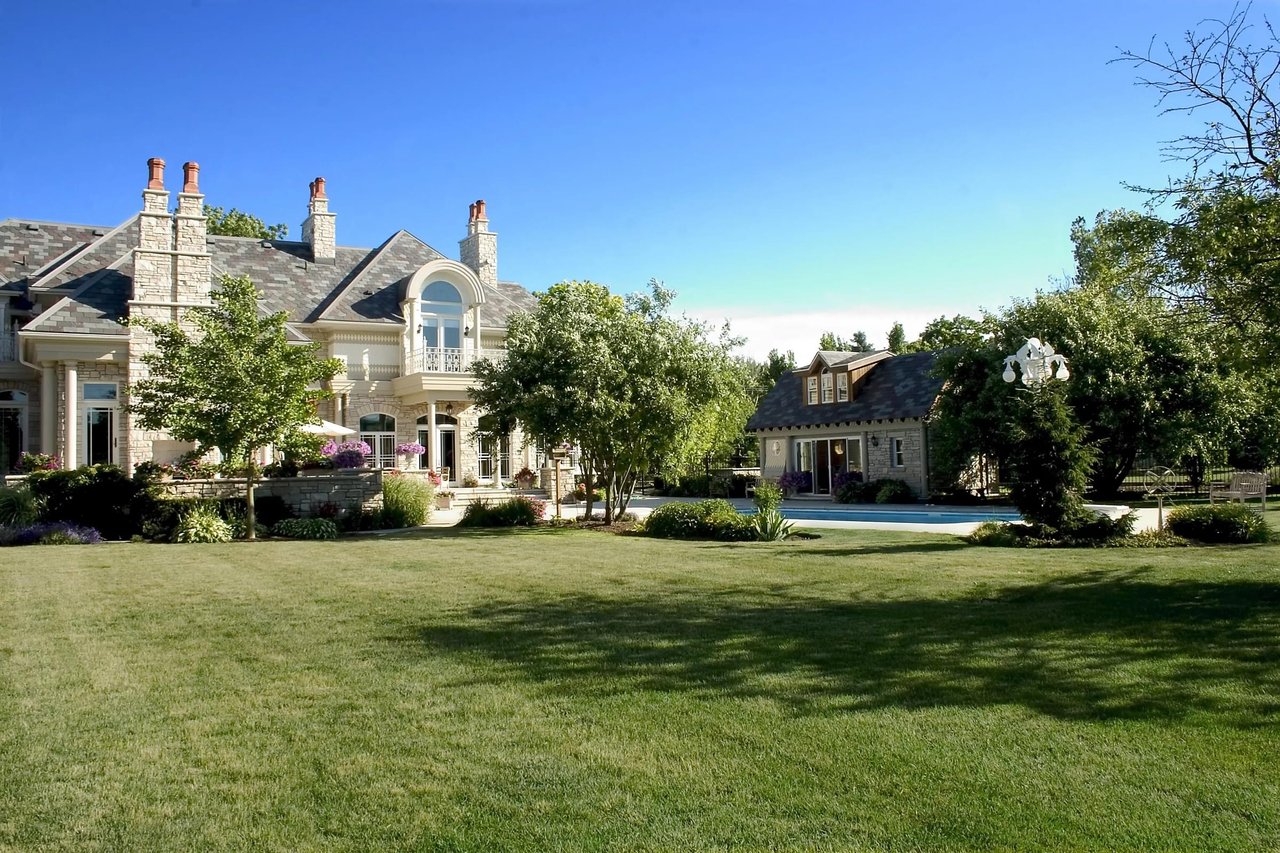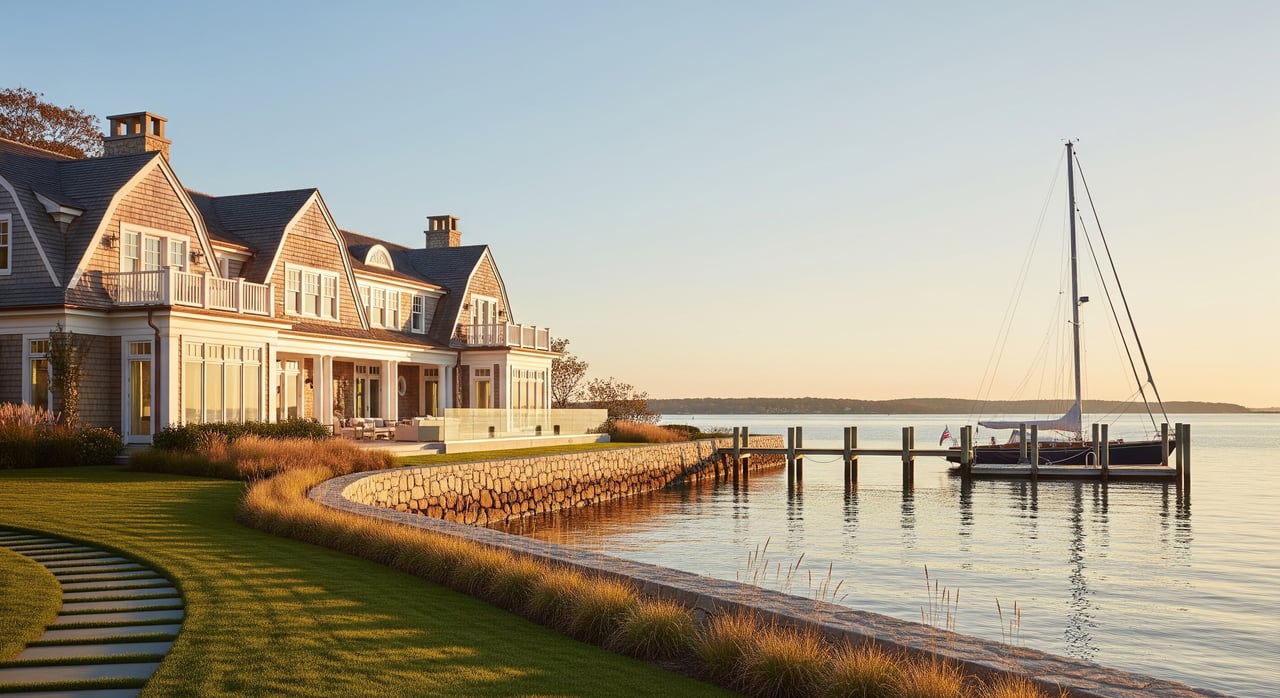
Imagine waking up to Long Island Sound light, coffee in hand, and a tide chart on your counter. Waterfront living in Greenwich is a rare blend of privacy, recreation, and natural beauty. It also comes with unique rules, maintenance, and risk. If you are considering a home on the water or with water views, this guide will help you understand what to look for, what to verify, and how to protect long-term value. Let’s dive in.
What counts as waterfront in Greenwich
In Greenwich, “waterfront” means direct water frontage and access. You can step from your property to the shoreline, a dock, or a private mooring. “Water-adjacent” means you are near the water or have views, but no direct shoreline or dock rights.
Rights also vary by water type. Riparian rights apply to rivers and streams. Littoral rights apply to tidal shorelines on Long Island Sound. These distinctions affect access, docking, and any shore work you might want to do.
Common property types
- Harborfront on Greenwich Harbor, Indian Harbor, and Cos Cob: protected basins, deeper water, and potential for docks or moorings, subject to harbor rules.
- Open-sound beachfront along Long Island Sound: big views and surf exposure, often within high-velocity coastal flood zones.
- Riverfront and tidal creek along the Byram and Mianus Rivers: a mix of tidal and freshwater behavior, plus inland-wetland buffers.
- Pond or inland water: lower coastal surge exposure, but potential wetlands constraints.
- Water-view and elevated in-town parcels: panoramic outlooks with lower flood risk, simpler insurance, and easier maintenance.
Rights, permits, and rules to confirm
Waterfront ownership layers several authorities. FEMA flood maps influence elevation and insurance. The Connecticut Department of Energy & Environmental Protection (DEEP) oversees coastal site plans, tidal wetlands, and shore work. The Town of Greenwich manages planning, zoning, inland wetlands, and harbor operations.
When you buy, you also buy the property’s recorded rights. Review the deed for littoral or riparian rights, any shared dock agreements, and easements. Some shorelines include public access easements or conservation restrictions. If a property’s access appears private, verify it on record.
Docks, moorings, seawalls, and dredging are highly regulated. Many projects need both town and state approvals. Harbors may have mooring fields and seasonal rules. Private clubs or HOAs can add transfer rules for slips or memberships that impact your use and resale.
Flood and climate risks to weigh
Greenwich coastline homes face a spectrum of flood exposure. FEMA Flood Insurance Rate Maps (FIRMs) show Special Flood Hazard Areas, zone types like AE or VE, and Base Flood Elevations. An Elevation Certificate helps you compare the home’s first habitable floor against BFE to understand risk and insurance cost.
Sea-level rise trends in the Northeast are increasing. Even moderate rise can turn today’s nuisance flooding into regular road closures and shoreline stress over time. Erosion can reshape shorelines and undermine bulkheads, which may require repair or a shift to softer, living-shoreline solutions.
Infrastructure matters as much as the house. An elevated home still depends on access roads, driveways, and utilities that may flood. Some properties rely on septic systems with capacity limits that constrain additions. Marine timbers, pilings, and hardware need periodic replacement due to saltwater and marine borers.
Insurance and financing realities
If a property lies in a FEMA Special Flood Hazard Area and you finance it with a mortgage, lenders will require flood insurance. Premiums depend on flood zone and elevation. Coastal exposure can also affect wind coverage and the availability of private flood options.
Lenders often request Elevation Certificates and proof of insurability. Underwriting for coastal properties can be stricter than for inland homes. It is smart to get preliminary quotes early, so you understand total ownership cost before you write an offer.
Ownership and maintenance costs
Waterfront living brings lifestyle rewards and operating realities. Budget for items that do not apply inland.
- Shoreline structures and hardware: bulkheads and seawalls have multi-decade lifespans, but repairs are capital-heavy. Docks, gangways, floats, and mooring chains need regular inspection and cyclical replacement.
- Insurance and hardening: flood and wind coverage can be significant. Many owners elevate mechanicals, add flood vents, or use movable barriers for storm prep.
- Landscaping and erosion: native plantings, riparian buffers, and living shoreline strategies require ongoing care and sometimes approvals.
- Utilities and systems: septic inspections and upgrades may be more frequent. Storm-related electrical or pump work can add to annual costs.
Market and resale patterns in Greenwich
Greenwich waterfront typically commands a premium over inland homes. The buyer pool often includes NYC commuters, executives, and second-home seekers who value privacy and water access. For relocation buyers, the trade-off is commute convenience versus a private coastal lifestyle.
Comparable sales are limited because every shoreline is unique. Dock rights, mooring transfers, and membership rules can shape value and time on market. Seasonal interest often peaks in spring and summer, though in affluent segments timing may be less influential than the quality and clarity of rights.
Resale tends to favor properties with documented, transferable access, compliant structures, and recent maintenance. Changes in flood maps or rising insurance costs can affect demand and pricing. A well-prepared property with clear documentation and resilient improvements stands out.
Due-diligence checklist before you offer
Set yourself up for a smooth escrow by gathering documents and scheduling specialty inspections early.
Request these documents
- Deed and title report confirming littoral or riparian rights and any easements.
- Current survey showing shoreline, bulkheads, docks, and recorded easements.
- Elevation Certificate if the property is in or near a flood zone.
- FEMA FIRM map extracts plus any Letters of Map Amendment or Revision.
- Dock, slip, marina, or mooring agreements and any yacht-club transfer rules.
- Permits and approvals for seawalls, dredging, fill, and docks.
- Maintenance records for bulkheads, docks, and shoreline stabilization.
- History of flood events or insurance claims.
Commission these inspections and reviews
- Standard home inspection plus a marine-structural inspection of bulkheads, pilings, docks, and foundations.
- Coastal engineer or geotechnical review if you see erosion or plan major work.
- Environmental or wetland consultant if you anticipate vegetation removal, filling, or shoreline modifications.
- Title attorney review of rights, easements, and any restrictions.
- Surveyor verification, and a new boundary survey if shoreline changes are suspected.
Insurance and finance steps
- Get preliminary flood and wind quotes using the address and elevation data.
- Confirm lender requirements for flood coverage and coastal underwriting.
- Verify insurability with private carriers if you want options beyond NFIP.
Neighborhood and access checks
- Review access roads and driveways for tidal or storm closures.
- Confirm municipal public access points, boat launches, and beach policies that influence privacy and parking.
Smart strategies to protect value
Focus on both resilience and paperwork. Keep your Elevation Certificate current and retain all permits and maintenance records for docks and seawalls. Buyers pay for clean documentation.
Invest in storm hardening where it matters most. Elevate mechanicals, secure fuel tanks, and consider flood vents or deployable barriers. Maintain native vegetation and buffers to stabilize soil and improve shoreline resilience.
Plan capital reserves for marine structures. A realistic schedule for dock, bulkhead, and mooring upkeep will prevent surprises and strengthen your position during resale. Finally, align your long-term plans with evolving sea-level guidance and local permitting so future upgrades remain feasible.
Ready to tour with confidence?
Water enhances daily life, but the best decisions come from clear facts and careful planning. With the right due diligence, you can enjoy the Sound, secure your investment, and protect your time. If you want a curated search that weighs rights, risk, and design fit, connect with Crisangel Afanador for a discreet, concierge-level consultation.
FAQs
Is flood insurance mandatory for Greenwich waterfront homes with a mortgage?
- If a property is in a FEMA Special Flood Hazard Area, lenders require flood insurance. Even outside those zones, many coastal buyers choose coverage.
What should I verify about dock or mooring rights before buying in Greenwich?
- Confirm rights in the deed, review any permits, and check harbor rules. Transferable slip or mooring rights are not guaranteed without documentation.
Do water-adjacent Greenwich homes avoid coastal insurance costs?
- Often they have lower exposure, but premiums depend on elevation, flood zone, and drainage. Always get quotes using an Elevation Certificate.
How does sea-level rise affect long-term ownership in Greenwich?
- It can increase nuisance flooding and stress shoreline structures over time. Factor this into maintenance planning and resilience investments.
Are there special taxes or assessments specific to Greenwich waterfront properties?
- There are typically no unique taxes just for being waterfront, but some areas may assess for harbor improvements or dredging. Verify with town offices.