Thinking about trading city buzz for coastal calm without losing your Manhattan access? If you are weighing a move from NYC to Greenwich, you are not alone. Many professionals and families choose Greenwich for more space, shoreline living, and strong community amenities while keeping a realistic commute. In this guide, you will see what life looks like day to day, how the commute works, what homes cost, and how to build a clear budget. Let’s dive in.
Why Greenwich appeals to NYC movers
Greenwich is an affluent coastal town in Fairfield County with distinct village centers like downtown Greenwich, Cos Cob, Riverside, Old Greenwich, and Byram. You get access to beaches, boating, trails, and a refined small-town feel with quick connections to Manhattan.
According to U.S. Census QuickFacts, Greenwich shows a median household income around $206,130 and a median owner‑occupied housing value of about $1.70 million across the 2020–2024 period. These baselines help you compare lifestyle and housing costs with NYC neighborhoods while you plan your move. You can review the latest town-level indicators through the Census tool for context on income and housing values in Greenwich.
Commute to Manhattan: what to expect
For many movers, the commute is the core tradeoff. The good news: Metro‑North’s New Haven Line is direct to Grand Central and serves four town stations.
Train stations and timing
Stations within Greenwich include Greenwich, Cos Cob, Riverside, and Old Greenwich. Most commuters use Greenwich or Riverside for frequent service and express options.
- Peak express trains from Greenwich to Grand Central often run about 38 to 60 minutes.
- Local and off‑peak service ranges closer to 55 to 75 minutes from smaller stops.
Schedules and stopping patterns change by time of day. Always confirm exact times and try a live door‑to‑door test run. For current fares, tickets, and service rules, use the official MTA Metro‑North fare page.
Tickets and fares
Metro‑North offers one‑way, weekly, and monthly options. If you commute three or more days per week, a weekly or monthly pass often provides the best value. Fare policies and discounts change, so confirm details on the MTA site or the MTA app before you set your monthly budget.
Parking and first mile
Parking near Greenwich stations is a permit‑based system with waitlists and day‑parking options. Review rules, day rates, and permit procedures on the town’s Parking Services FAQs. If you face a waitlist, consider drop‑off routines, car‑share, biking, or testing a nearby hub. Some commuters drive to the Stamford Transportation Center for more frequent service and larger parking facilities. Learn more about the new garage and access at the Stamford Transportation Center.
Housing, space, and neighborhoods
Greenwich’s housing stock is varied, with a strong single‑family focus and select condo or co‑op options near the train and village centers.
Housing types and space
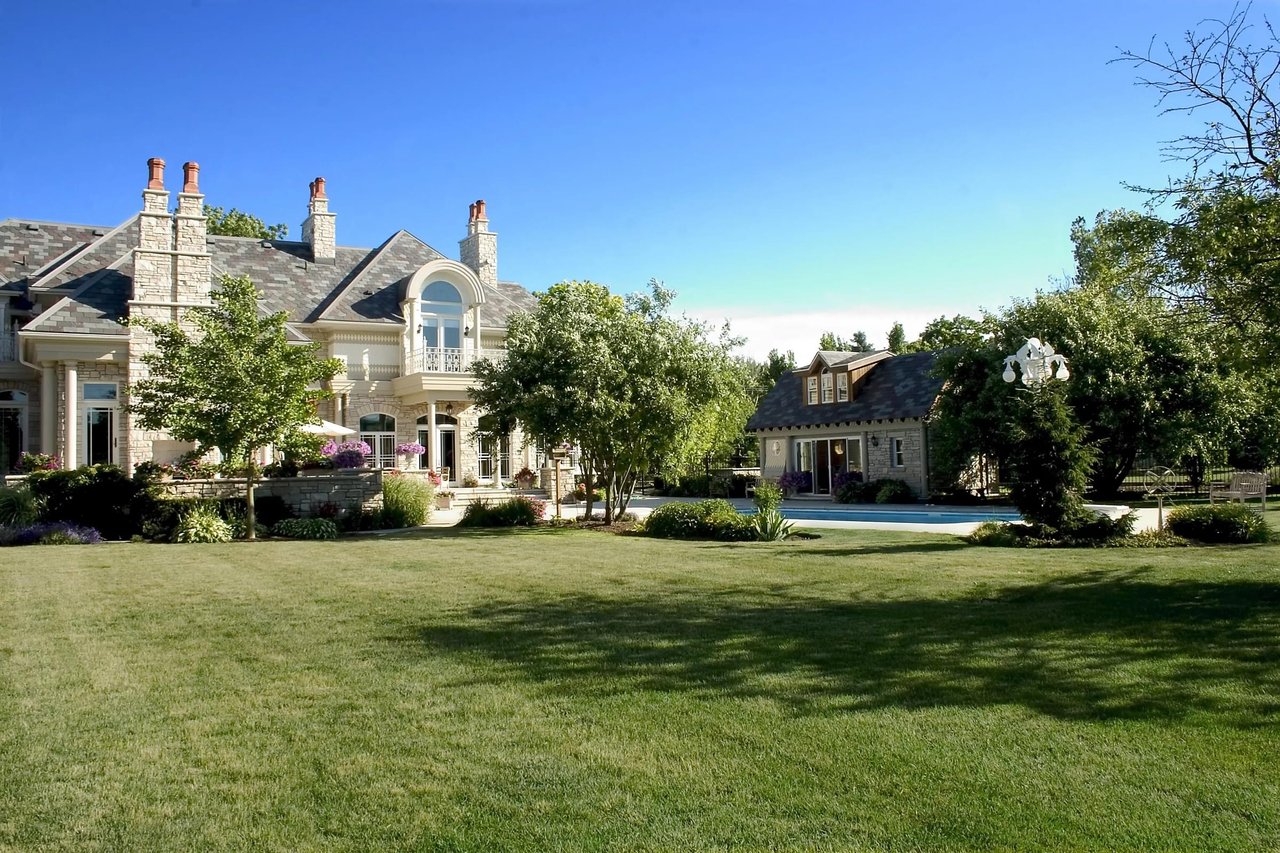
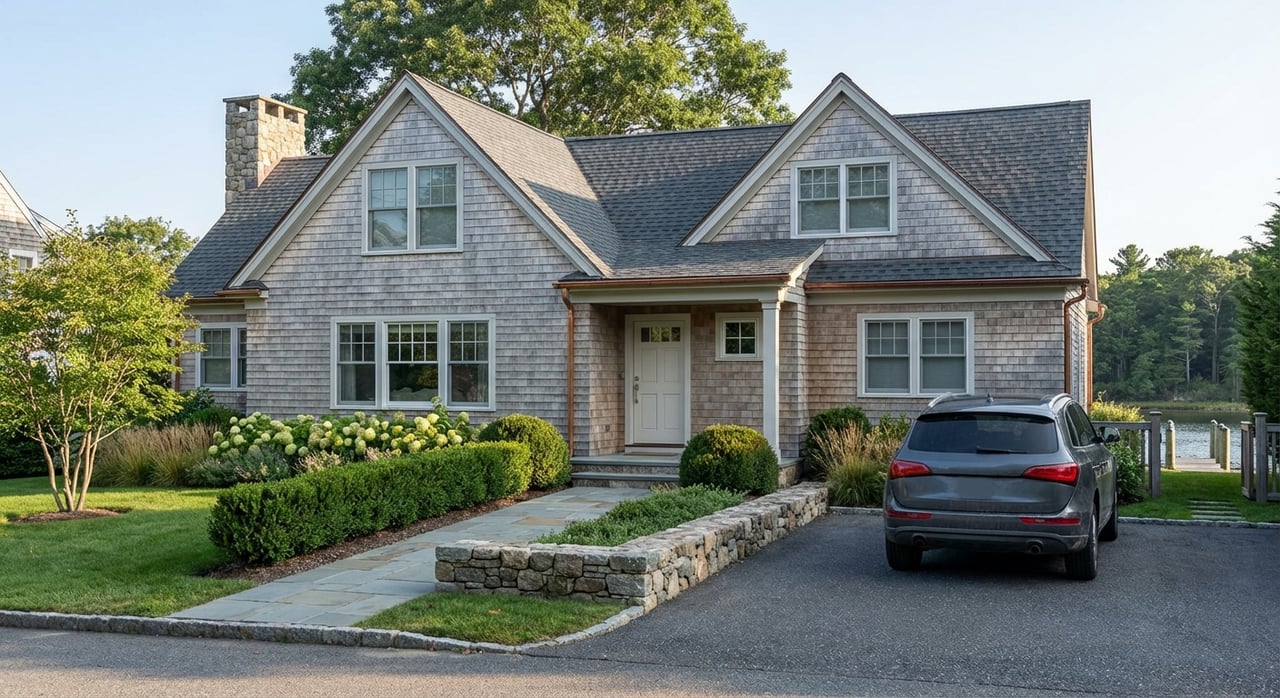
- Single‑family homes: Larger lots, privacy, and a range from inland estates to waterfront properties in areas such as Belle Haven and Indian Harbor. Gated communities like Conyers Farm sit at the top end of privacy and acreage.
- Village‑center living: Condos and co‑ops are more common near downtown Greenwich and Old Greenwich. You can walk to shops, dining, and the train, which reduces car dependence.
- Sub‑village options: Cos Cob and Riverside offer walkable pockets, access to parks, and mid‑market single‑family choices.
Compared with many NYC apartments, you will likely gain interior square footage, a yard, and more separation from neighbors. The tradeoff is that many neighborhoods are car‑forward for daily errands. If you want to stay walkable, look closely at downtown Greenwich and Old Greenwich.
Neighborhood snapshots
- Downtown Greenwich: Shopping and dining, arts and services, and the main station with express options.
- Old Greenwich: A village feel with shops and dining on Sound Beach Avenue, convenient access to Greenwich Point Park, and a dedicated station.
- Riverside: A favorite for commuters who value quick station access and residential streets with proximity to the Post Road corridor.
- Cos Cob: Residential charm, a local center, parks, and a station on the main line.
- Waterfront enclaves: Belle Haven and Indian Harbor feature estate‑level homes with water adjacency and elevated privacy.
Pricing signals, by date
Market indicators vary by source and what each metric measures. To set expectations, use date‑stamped references:
- Zillow’s Home Value Index placed Greenwich in the low‑to‑mid‑$2 million range as of mid‑2025.
- Redfin reported a median sale price near $2.995 million in January 2026.
- The Greenwich Association of REALTORS reported a Q4 2025 median single‑family sale price of about $3.1 million, reflecting local MLS activity. You can review the report at the Greenwich Association of REALTORS market update.
Inventory has been tight, and many homes sell at or near list price, with median days on market often measured in weeks. Seasonal timing and the luxury waterfront segment can change the pace, so check current MLS snapshots with your advisor before finalizing budget or timing.
Daily life and amenities
Greenwich offers coastal New England living with strong outdoor access and community services.
Schools overview
Greenwich Public Schools serves about 8,611 students as of October 1, 2023, across eleven elementary schools, three middle schools, and one high school. The district shares program and performance information on its official site. Start with Greenwich Public Schools for current enrollment and school resources. Many families also review private school options in and near town.
Parks and shoreline
Greenwich Point Park, known locally as Tod’s Point, is a signature 147‑acre waterfront park with beaches, trails, and boating access. It is a year‑round draw for sunrise walks, summer swims, and weekend picnics. See hours, passes, and facilities on the Greenwich Point Park page.
Trails and preserves
Beyond the shore, Mianus River Park offers multi‑mile wooded trails for hikes and family outings. Explore the trail network and terrain via Mianus River Park resources.
Cost of living and property taxes
Housing is the main driver of your cost of living in Greenwich, followed by commuting and childcare.
Cost of living basics
Aggregated cost‑of‑living snapshots place Greenwich well above the national average for rents, groceries, and services. Since prices change, use a current tool when building your budget and note the date of any figures you reference. You can compare sample items and trends with this Greenwich cost‑of‑living overview.
For commuting, include station day‑parking and permit costs. Municipal rules and fees are detailed in the town’s Parking Services FAQs. If you plan to use a monthly or weekly pass on Metro‑North, add those figures from the MTA fare page based on your station and schedule.
Property tax basics
Greenwich’s mill rate was set around 12.041 for FY 2025–26 according to local reporting. In Connecticut, assessed values are typically 70 percent of market value, and your annual bill reflects both the assessed value and the current mill rate. Mill rates and assessments can change each year. For a clear, plain‑English primer, review this Greenwich property tax explainer. This is general context, not tax advice.
Nearby alternatives to consider
If you love Greenwich but want to compare, these Fairfield County towns are common next steps:
- Darien: Coastal setting, a strong village core, and competitive single‑family options. Train times can be similar from certain stations.
- New Canaan: More inland with larger lots and a suburban feel. A fit if you prioritize privacy and acreage.
- Westport: A coastal lifestyle, active village scene, and strong amenities. Often compared on lifestyle rather than pure commute time.
- Stamford: The regional hub with denser condo and rental choices, major employers, and very frequent trains. The Stamford station offers extensive parking and service. Learn about the latest capacity at the Stamford Transportation Center.
Your next steps
A thoughtful plan protects your time and keeps the process calm and clear.
- Test your commute end to end. Do a live trial from your preferred neighborhood at your true start time. Include parking or drop‑off, train time, and the walk to your office.
- Choose your target stations. Decide whether Greenwich, Riverside, Cos Cob, or Old Greenwich fits best based on parking, schedule, and lifestyle.
- Clarify your housing brief. Rank what matters: lot size, walkability, school proximity, water access, or architectural style.
- Build two budget frameworks. Use current data for a realistic monthly outlook:
- Village‑center condo: mortgage or rent, HOA, station parking/day rates, Metro‑North pass, utilities, and a buffer for dining and local services.
- Single‑family home: mortgage, property tax using the current mill rate context, utilities, lawn and snow service, station parking, Metro‑North pass. For housing anchors, reference date‑stamped indicators like the mid‑2025 Zillow index in the low‑to‑mid‑$2 million range and the January 2026 Redfin median sale price near $2.995 million, plus the Greenwich Association of REALTORS Q4 2025 median at about $3.1 million.
- Tour by time of day. See neighborhoods during school drop‑off, midday, and evening to get a real sense of traffic, light, and daily rhythm.
- Align with a local advisor. A data‑driven, design‑aware agent will help you calibrate price, find off‑market options, and negotiate with confidence.
If you are ready to explore Greenwich’s neighborhoods, curated listings, and private market opportunities, connect with Crisangel Afanador for a boutique, concierge‑level consultation backed by Berkshire Hathaway HomeServices resources.
FAQs
How long is the Greenwich to Midtown commute?
- Typical peak express trains from Greenwich to Grand Central run about 38 to 60 minutes, while local or off‑peak service can take roughly 55 to 75 minutes; confirm exact times with the MTA and test your door‑to‑door route.
Which Greenwich station is best for NYC commuters?
- Many commuters choose the main Greenwich or Riverside stations for frequent service and express options, but the right choice depends on parking availability, your home location, and specific train times.
What do homes cost in Greenwich right now?
- Indicators vary by source: a mid‑2025 Zillow index places values in the low‑to‑mid‑$2 million range, Redfin showed a January 2026 median near $2.995 million, and the local MLS reported a Q4 2025 median around $3.1 million via the Greenwich Association of REALTORS.
How do property taxes work in Greenwich?
- Connecticut generally assesses at 70 percent of market value, and the town applies an annual mill rate, which was about 12.041 for FY 2025–26 per local reporting; see this property tax explainer and consult the Town Assessor for current figures.
Is Greenwich car‑dependent or walkable?
- Many neighborhoods are car‑forward for daily errands, but downtown Greenwich and Old Greenwich offer more walkability to shops and the train, which reduces car dependence.
What schools serve Greenwich families?
- Greenwich Public Schools serves about 8,611 students across eleven elementary schools, three middle schools, and one high school; visit Greenwich Public Schools for current enrollment and program details.