What if one number you see on every listing is the easiest to misunderstand? If you shop or sell in Westport, you will run into price per square foot on almost every property page. It looks simple, yet in a town where waterfront, walkability, and design vary block to block, that number can mislead if you read it in isolation. In this guide, you will learn what PPSF really measures, why it swings so widely in Westport, and how to use it the right way when buying or pricing. Let’s dive in.
What price per square foot means
Price per square foot is a basic ratio: take the sale price and divide it by the gross living area. For valuation, you should rely on closed sale prices rather than list prices. List prices can change during negotiations and can skew higher than what buyers actually pay.
GLA usually means above-grade finished living space. Do not include garages, porches, or unfinished basements unless your data source clearly says they are included. Always confirm how GLA is measured in the source you are using, since some reports include finished basements and others do not.
Condo PPSF and single-family PPSF are not directly comparable. Land value is treated differently for each, and it matters a lot in Westport. Also remember that small sale samples can produce noisy PPSF numbers, so medians are usually more reliable than averages.
Why Westport PPSF varies so much
Westport is a coastal Fairfield County town with a wide mix of homes, from historic cottages to new custom builds. That variety makes PPSF highly sensitive to micro-location and property details. A few streets can change buyer demand because of water, train access, or setting.
Waterfront and water views
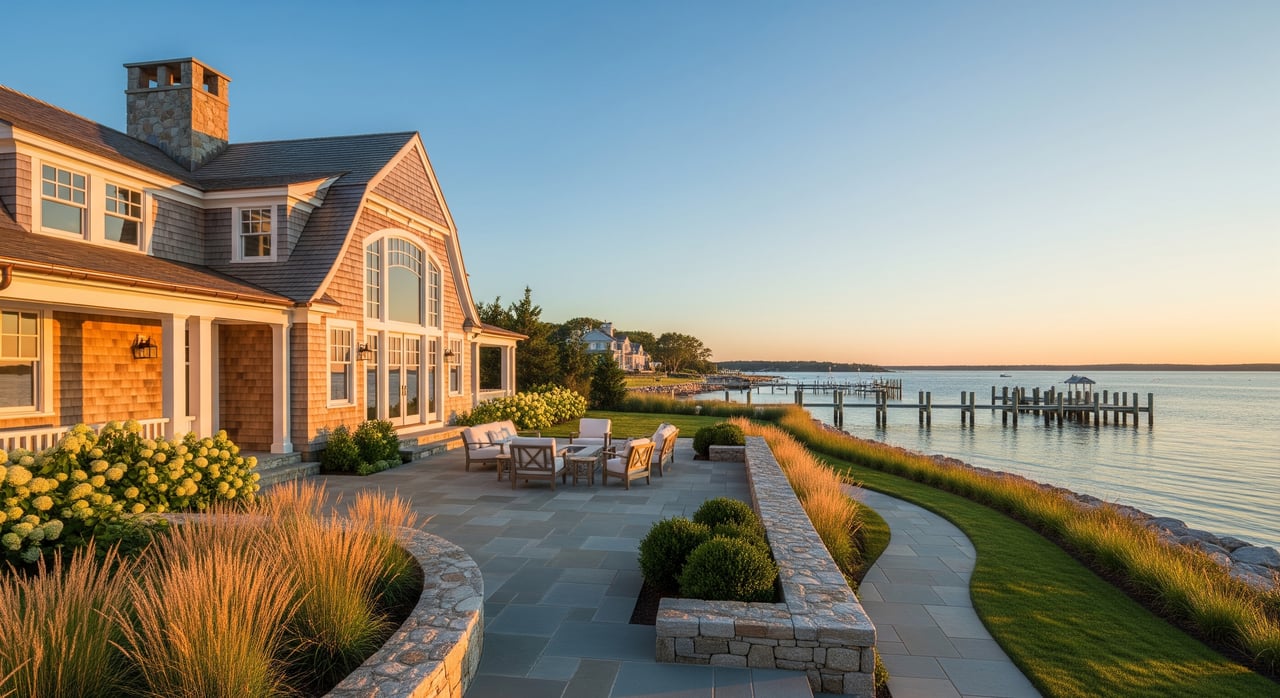
Waterfront and near-beach homes typically command a substantial premium. The scale of that premium depends on view quality, direct access, private docks, flood risk, and insurance costs. Since land value is a bigger part of the price on these properties, PPSF can understate value when you only look at interior square footage.
Lot size and privacy
Larger or more private lots, especially with mature landscaping or amenities like a pool or tennis, raise overall value. When land makes up a big share of price, the PPSF can look lower than a smaller-lot home with luxury finishes. On the flip side, a compact lot with a highly finished interior can produce a very high PPSF.
Condition and renovations
Move-in ready homes with recent renovations usually trade at higher PPSF. Buyers tend to pay a premium for modern layouts, updated kitchens and baths, and strong mechanical systems. The magnitude of the premium follows the quality and scope of work.
Architecture and floor plan efficiency
Design matters. High-quality custom architecture and efficient floor plans make square footage feel more usable, which can elevate PPSF. Homes with awkward or underused rooms often show a lower PPSF because buyers discount space they won’t enjoy.
Age and historic elements
Older homes can go either way. Some buyers prize original details and craftsmanship, while others see a need for updates and ongoing maintenance. Whether PPSF rises or falls will depend on how the home balances character with function.
Proximity and micro-location
Downtown and Saugatuck locations with walkability and train access, Compo Beach, and other waterfront stretches often post higher PPSF than inland areas. In Westport, small distance shifts can change PPSF because of lifestyle convenience and views.
Flood risk, taxes, and insurance
Higher property taxes and elevated flood insurance premiums can temper buyer willingness to pay. That affects how far PPSF can stretch for a given property, especially near the coast.
Market conditions and buyer pool
In a seller’s market, recent closed-sale PPSF tends to rise. In a buyer’s market, negotiated discounts bring PPSF down. Westport’s buyer mix, including NYC commuters, remote professionals, and downsizers, also shapes which attributes command a premium.
How to use PPSF in Westport
Think of PPSF as a fast filter, not a full valuation tool. It is useful when comparing similar homes in the same micro-location and price tier. It becomes misleading when you cross property types, stretch geographies, or mix different definitions of living area.
A step-by-step approach
- Define a tight peer group. Use the same property type, neighborhood, distance to train or beach, bedroom and bathroom count, and broad age and condition.
- Use closed sales from the last 6 to 12 months. Focus on the median PPSF and note the sample size to understand confidence.
- Separate outliers. Flag or remove waterfront, estate parcels, and very unusual lots if they are not true comps.
- Adjust qualitatively. Note condition, renovations, floor plan, lot quality, and flood zone. These explain most PPSF gaps.
- For sellers, pair PPSF with a full comparable sales analysis. Consider formal valuation if your property is unique or high-value.
- For buyers, use PPSF to spot outliers. Then tour or inspect to confirm the reasons behind the number.
Quantitative refinements
- Track median PPSF by neighborhood and by price band to see how it moves across market tiers.
- Look at distribution, not just a single median, to spot outliers and clusters.
- For large-lot or waterfront homes, review price per acre or per lot square foot to capture land value that PPSF can miss.
When PPSF misleads
- A near-beach cottage that is fully renovated on a small lot can show a very high PPSF. The number reflects location and finish, not just size.
- A larger inland home on a private lot with a pool may show a lower PPSF. Land and amenities elevate value, while interior square footage spreads the ratio.
- Two homes with the same size can diverge because of layout. A well-designed plan feels bigger and earns a higher PPSF than a choppy layout.
- Mixing in finished basements without clarity will distort comparisons. If one source includes basement area and another does not, you are not comparing like for like.
Practical checklist for your next step
- Confirm how living area is measured in your data. Ask whether finished basements are included.
- Compare only closed sales, ideally from the last 6 to 12 months.
- Keep your comp radius tight. Prioritize similar access to beach, downtown, and train.
- Separate waterfront and estate properties into their own peer group.
- Layer in qualitative adjustments for condition, renovations, floor plan, lot size, and flood zone.
- For large parcels, add price per acre to your analysis.
- If you are pricing a listing, align PPSF with a full CMA and consider a professional appraisal for unique homes.
When to rely less on PPSF
PPSF should take a back seat when you are dealing with custom estates, one-of-a-kind historic properties, or very small sales samples. In these cases, land, architecture, and provenance can outweigh interior square footage. A tailored comparable analysis is the better path.
Move with clarity in Westport
Used well, PPSF helps you spot patterns and outliers in a complex, design-driven market. The key is to compare like with like, keep your geography tight, and let property specifics explain the gaps. If you want a clear, design-aware view of value on a specific home or a pricing strategy for your listing, let’s talk.
Ready to make a confident move in Westport? Connect with Crisangel Afanador for a curated valuation or buyer consultation.
FAQs
What is a good price per square foot in Westport?
- It depends on micro-location, property type, condition, and land. Use the median PPSF from comparable closed sales in the last 6 to 12 months for a realistic baseline.
Should I use list prices or closed sales for PPSF?
- Use closed sales. List prices can be reduced before contract and often overstate PPSF relative to what buyers actually pay.
Are basements included in PPSF in Westport?
- Usually GLA excludes basements. Some sources include finished areas, so always confirm how living area is defined before comparing.
Do waterfront homes always have higher PPSF?
- Typically yes, but the scale depends on view quality, direct access, flood risk, and insurance costs. Land value can also make PPSF look lower than overall value suggests.
Can I compare condo PPSF to single-family PPSF?
- Not directly. Land value is captured differently, so compare within the same property type and location for a fair read.
How does seasonality affect PPSF in Westport?
- Spring often brings more listings and faster market velocity. List-to-sale price ratios can shift with the season, which will show up in realized PPSF on closed sales.
How should a seller use PPSF to set a price?
- Treat PPSF as one signal. Pair it with a detailed CMA, adjust for condition and lot factors, and consider a professional appraisal if the property is unique.